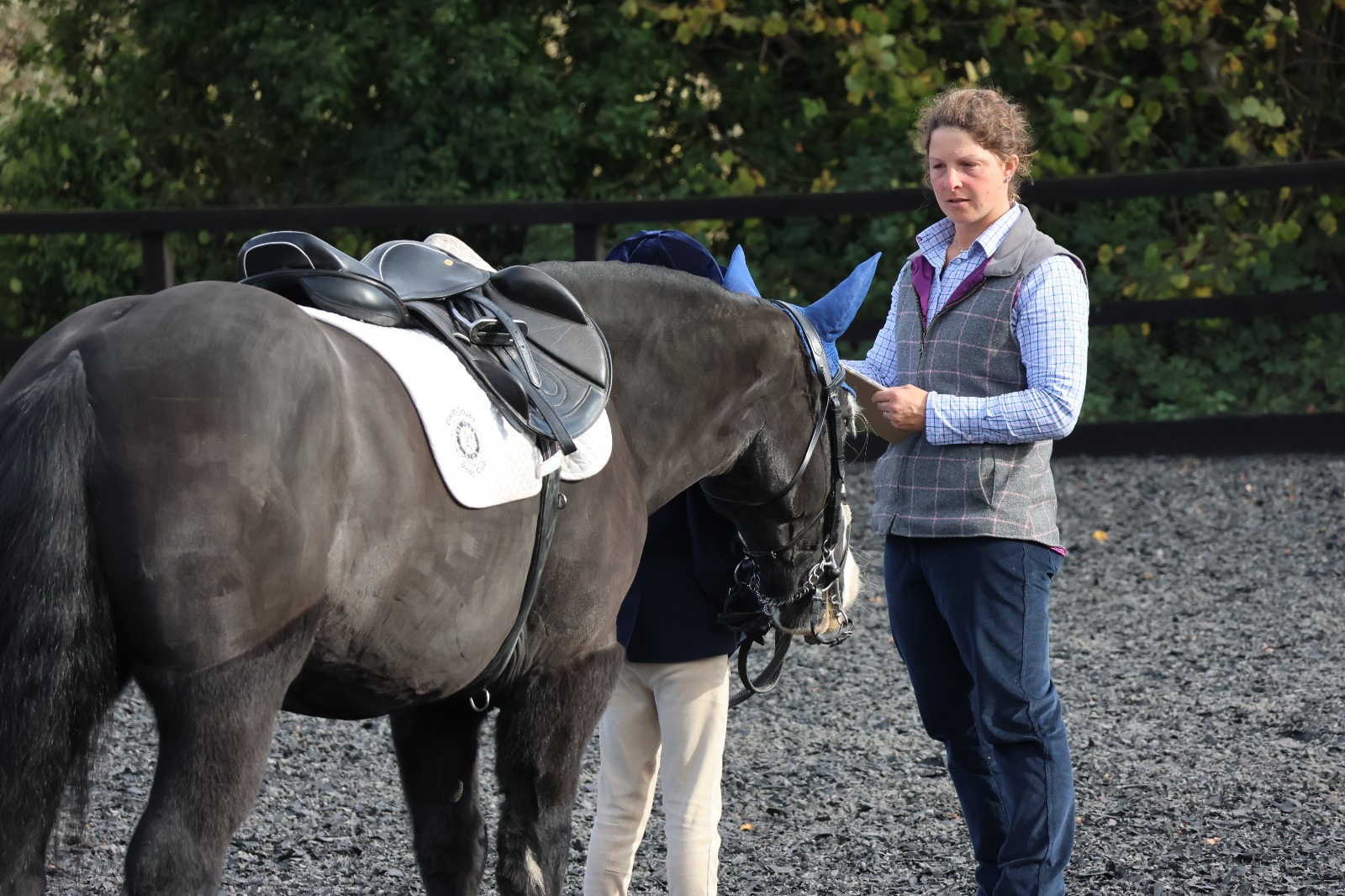
The The Pony Club training pathway is designed to help members progress step-by-step in riding, horse care and horsemanship. Tests range from beginner level through to advanced professional-standard qualifications, giving riders clear goals as they develop confidence, knowledge and practical skills.
Pony Club tests follow a structured pathway from E Test through to the prestigious A Test. Along the way, members learn:
Many tests include both Riding section and Horse and Pony Care sections.
At C, C+ and B level, these can often be taken separately.
A gentle introduction for younger members, focusing on confidence around ponies, basic control and simple horse care.
Typical topics include:
Recommended minimum age: around 4+.
Develops basic riding independence and everyday pony care.
Members learn to:
A Road Rider badge is usually required before taking the D Test.
Introduces canter work, small jumps and riding in open spaces.
Key skills include:
Recommended minimum age: around 10+.
A major milestone where members demonstrate safe, competent riding and horse care.
Areas covered include:
The C Test also introduces more advanced horse care and travelling horses safely.
Builds toward more advanced riding and horse management.
Members are expected to understand:
Recommended minimum age: around 13+.
A highly respected qualification recognised across the equestrian industry.
Candidates demonstrate:
The B Test can be taken in separate Riding and Care sections.
Focuses on safely exercising and assessing horses from the ground.
An advanced riding qualification developing higher-level riding effectiveness and understanding.
Advanced horse and pony care qualification concentrating on stable management and professional standards.
The highest Pony Club qualification, testing advanced riding, horsemanship and horse management to a professional level.
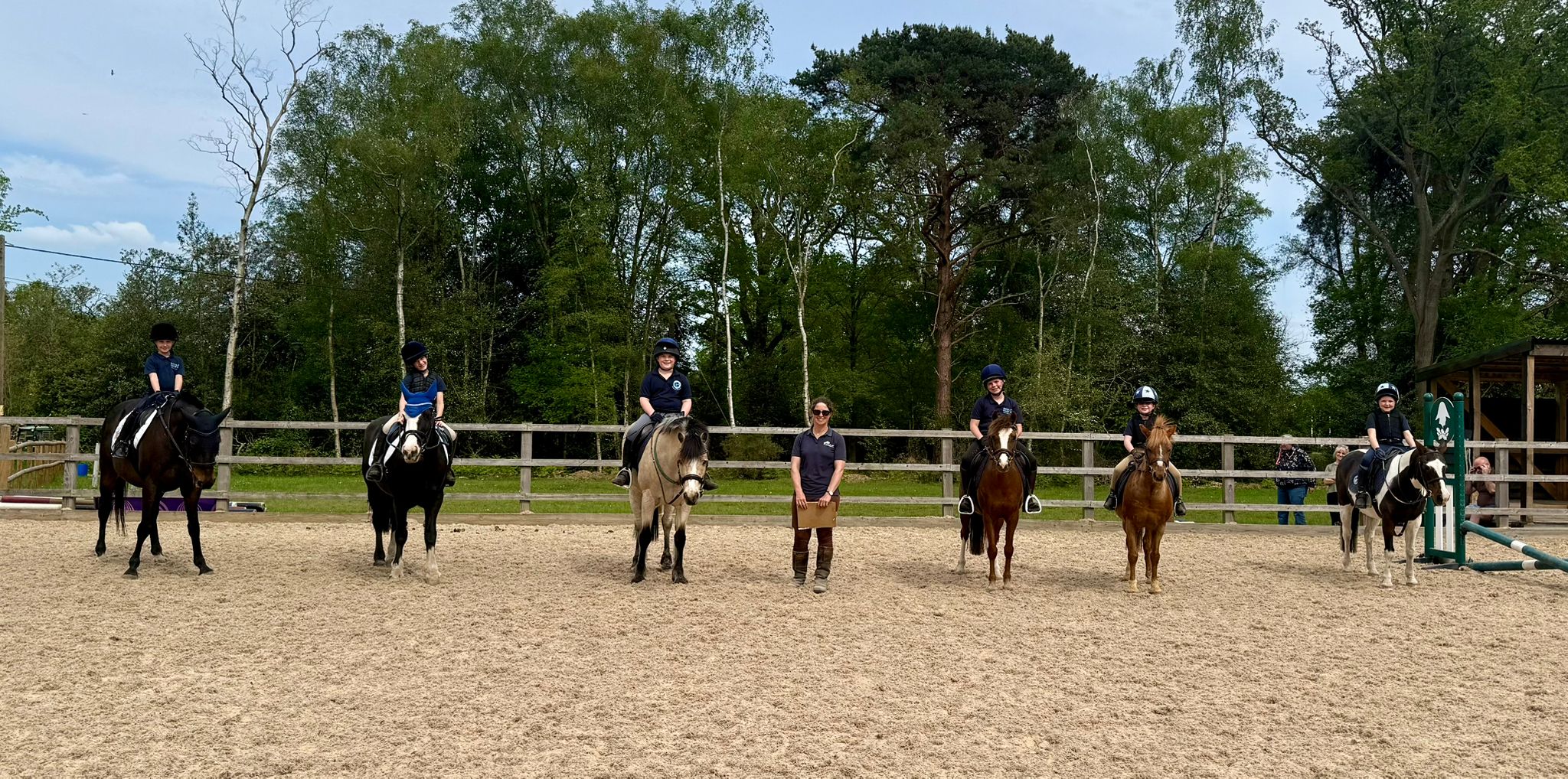
Alongside efficiency tests, Pony Club members can work towards a wide range of badges and awards covering both equestrian and non-equestrian topics.
These badges encourage members to develop practical skills and knowledge in areas such as:
There are:
Designed to introduce members to Pony Club disciplines such as:
Each badge helps riders understand rules, tack, turnout and competition skills.
Pony Club tests are recognised throughout the equestrian world and help riders:
Higher-level Pony Club tests can also contribute towards qualifications with organisations such as the British Horse Society (BHS).