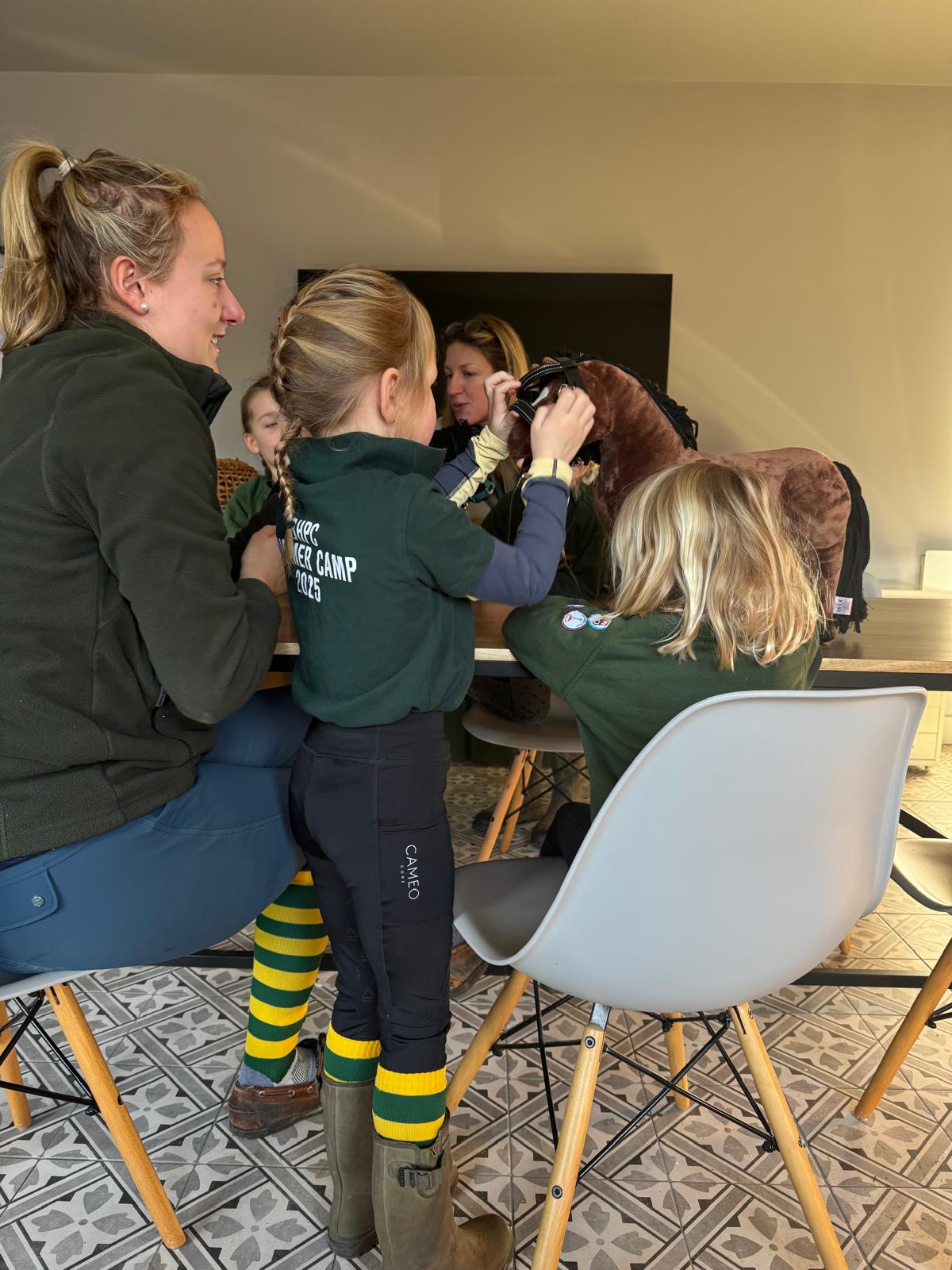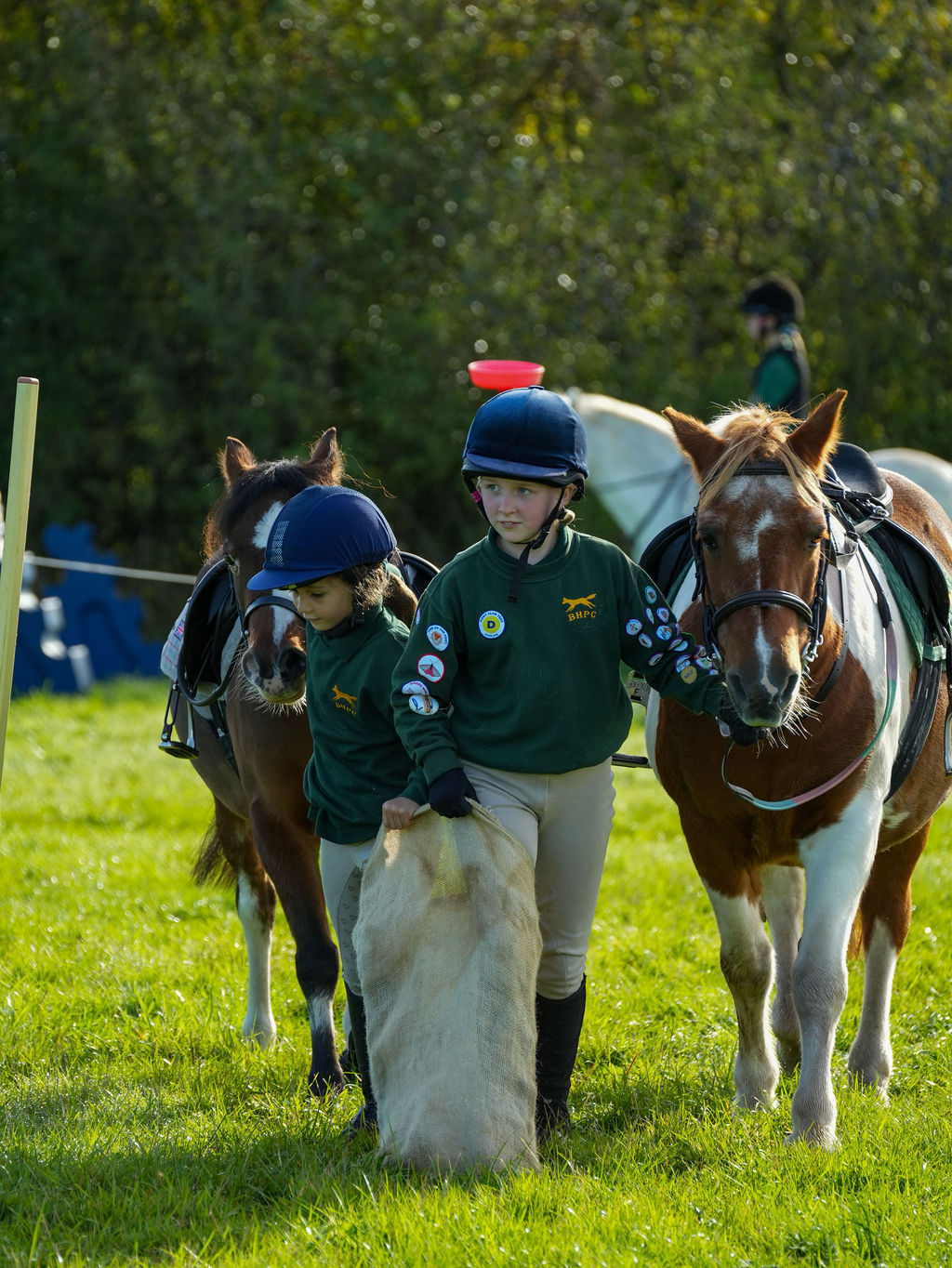
Green BHPC polo shirt with BHPC Sweatshirt or BHPC Jacket: with Pony Club Badge worn on the left lapel with any test felt achieved behind it. Hoods are not allowed whilst riding.
Beige or Cream Jodhpurs: no other colours.
Footwear: Black or brown standard riding or jodhpur boots with a fairly smooth, thin sole and a well-defined cut heel may be worn. Half Chaps: When worn must be the same colour as the footwear with no tassels or fringes.
Gloves: It is recommended that gloves should be worn, preferably brown, blue or black. They are compulsory when riding dressage tests or taking Tests.
Hair: in the interest of safety long hair must be secured appropriately with a hair net.
Riding Hats: These must be worn with chinstraps correctly fitted and fastened at all times when mounted. All hats must have been checked by a PC Branch Official and display a pink hat tag. Any other hat worn is not covered by PC insurance. It is recommended that hats are renewed after any fall causing severe impact. Guidance on Hat standards: https://resources.pcuk.org/wp-content/uploads/2024/08/Hat-Rule-1.pdf
Black or Navy Blue hat silks with no patterns or Pom Poms.
Spurs: May only be worn by members who have passed their C+ or above or the Pony Club Spurs Test. Members who are entitled to wear spurs will be issued with a yellow hat tag.
All ponies & horses must be fully vaccinated to keep everyone safe.
Tack should be CLEAN, PLAIN and in GOOD CONDITION. Leather Bridles and Saddles or PC Approved synthetic tack. Where synthetic stirrup leathers are used, it is recommended that they are used in conjunction with safety stirrups.
Stirrups must be the correct size for the rider’s boot with 7mm (¼”) clearance on either side of the boot. It is important to check regularly as children’s feet grow. Stirrup rule: https://resources.pcuk.org/wp-content/uploads/2024/08/Stirrup-Rule.pdf
We recommend that a neck strap is worn.
Bridles must be well fitted and must not have a diamanté brow band.
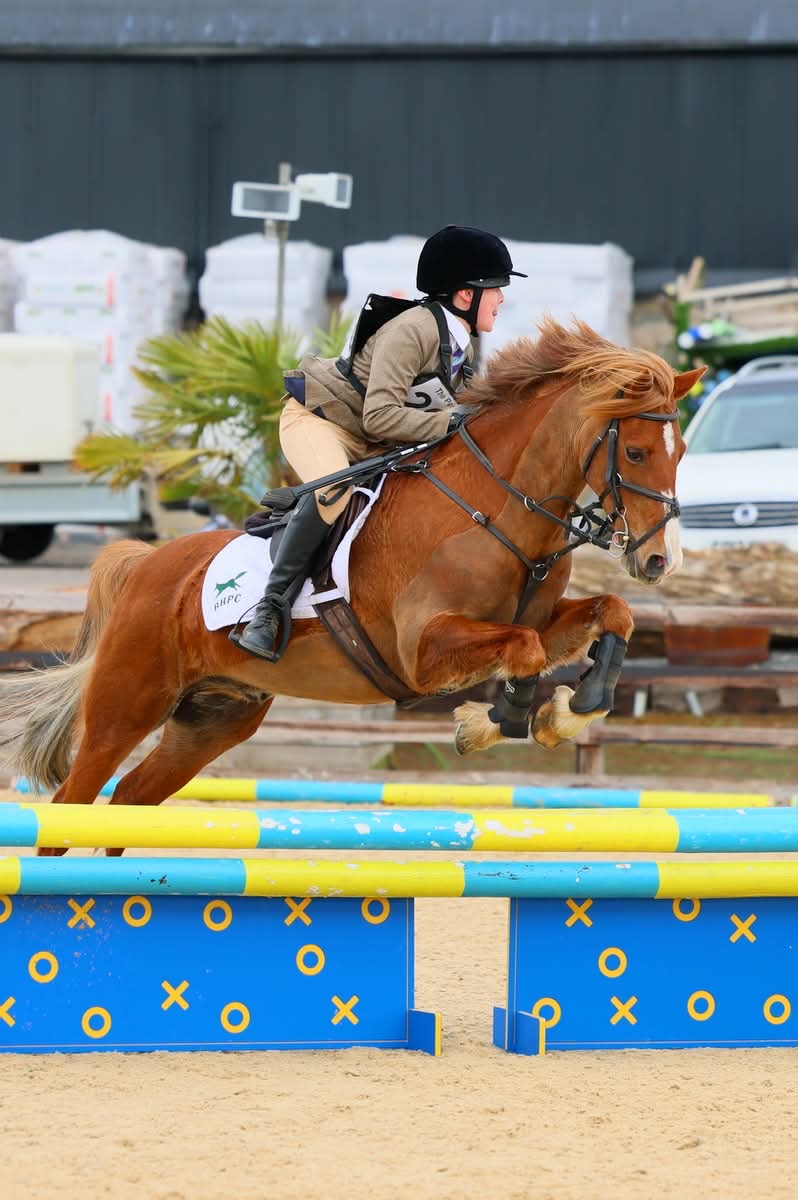
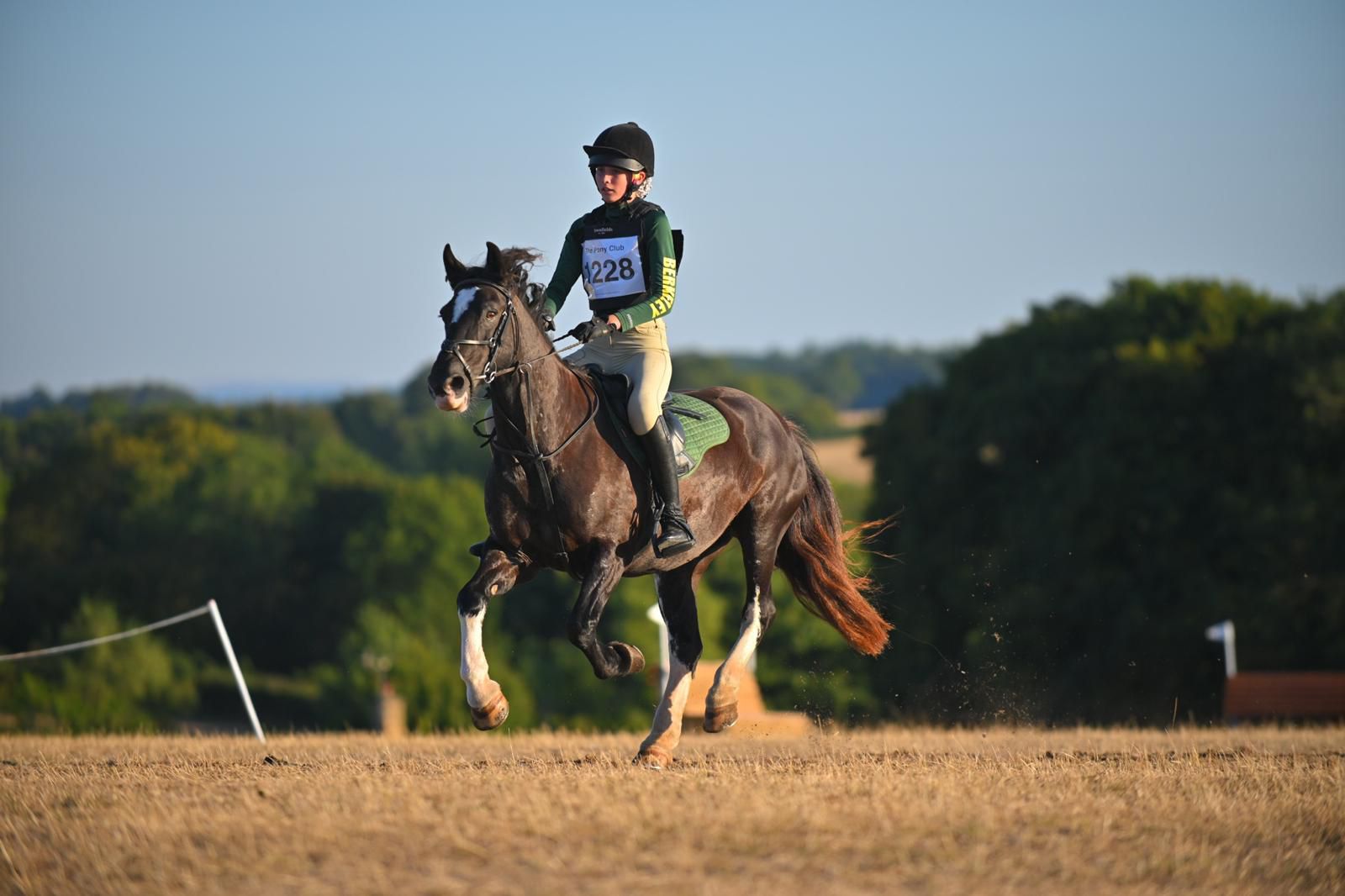
Numnahs: Horses and ponies should only wear black, brown, navy or white numnahs. The Berkeley Branch green saddle cloth is also allowed for rallies. (White must be used for competitions)
Protective Leg Boots if used, should be black/brown or white.
Schooling whips are allowed in Dressage rallies and some Dressage competitions. See Dressage & Eventing Rule Books for further details.
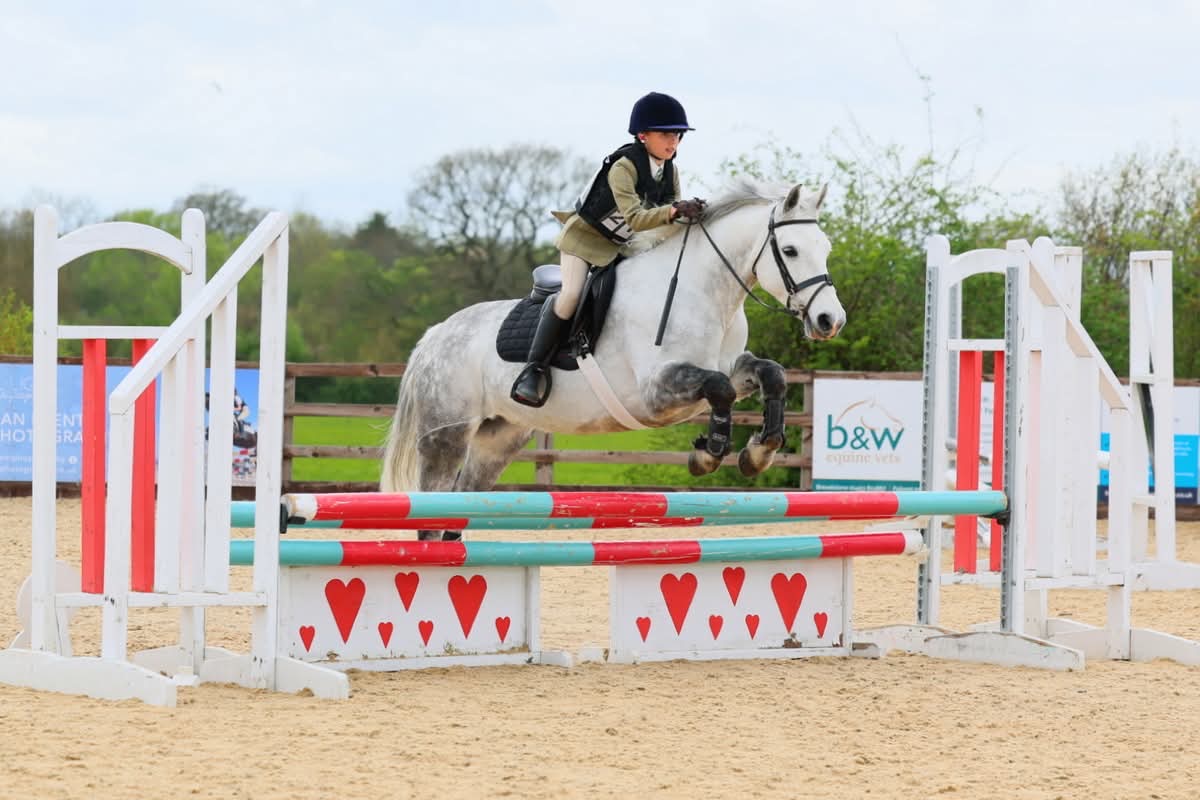
Baton whips must be used for all Jumping and Working rallies and all Jumping competitions. Baton guidance:
Dress as for Mounted Rallies but Body Protectors BETA 2018 standard is compulsory. BHPC long sleeved shirts and green/yellow hat silks can be worn but not essential.
When jumping Cross Country courses over 80cm a Jockey Skull Cap is compulsory (no fixed peaks)
Body Protectors: BETA 2018 or newer
The Pony Club does not make the use of body protectors compulsory, except for all cross country riding and Pony Racing whether it be training or competing. It is strongly advised that all Body Protectors are fitted by a BETA qualified fitter. Air jackets are permissible, but must be worn over a body protector.
https://resources.pcuk.org/wp-content/uploads/2024/08/Body-Protector-Rule-1.pdf
Tests E to D+ is the same as for mounted rallies, but gloves must be worn.
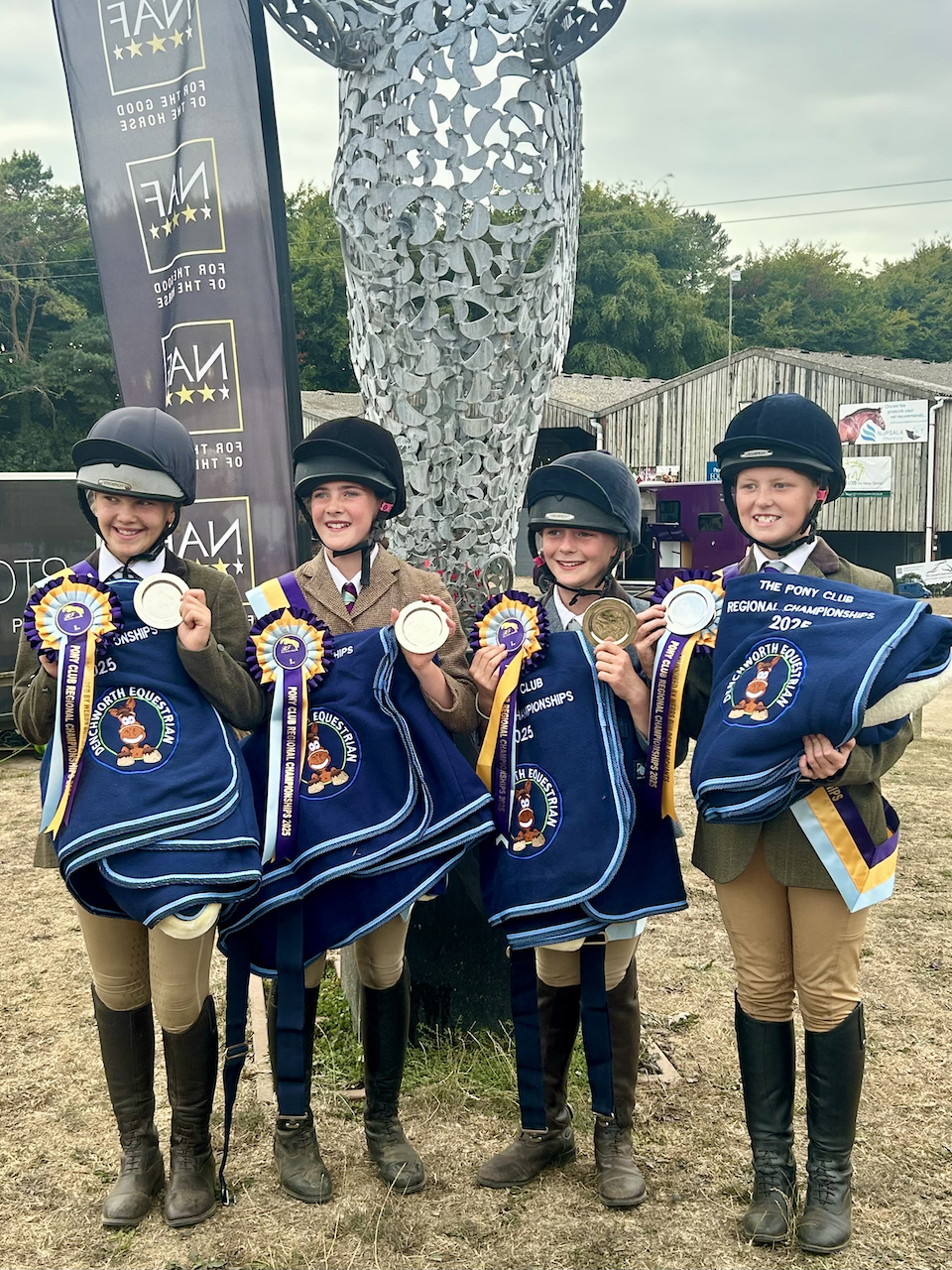
For C Test & above: white shirt & Pony Club tie, Tweed Jacket, beige jodhpurs, black boots.
Members who have attained their 18th birthday may wear the Pony Club dark blue tie. The Pony Club Tie must be worn when representing your Pony Club in a team or as an individual.
Girls over 13 can wear the Pony Club stock.
Ponies/Horses should be plaited.
Pony Club Sweatshirt and/or polo shirt may be worn with jodhpurs or smart jeans.
Hats and gloves need not be worn but should be taken.
Jewellery must not be worn in the interests of safety during mounted activities, other than a wristwatch, wedding ring and a horizontal stock pin.
It is recommended that stock pins are removed for Cross Country. Members who are contemplating piercing their ears or any other part of their body should be aware that they will not be allowed to compete until such time as the sleepers can safely be removed. The reason for this is that sleepers have in the past caused injuries following falls. There are vulnerable blood vessels behind the ear and if the facial nerve is pierced partial paralysis of the face can occur.